
Agricultural freight: Red Sea security headlines, but rate and capacity data absent
UN News headlines flag maritime security concerns, while the supplied data provides no container rates, reefer availability or port waiting times for a current freight assessment.
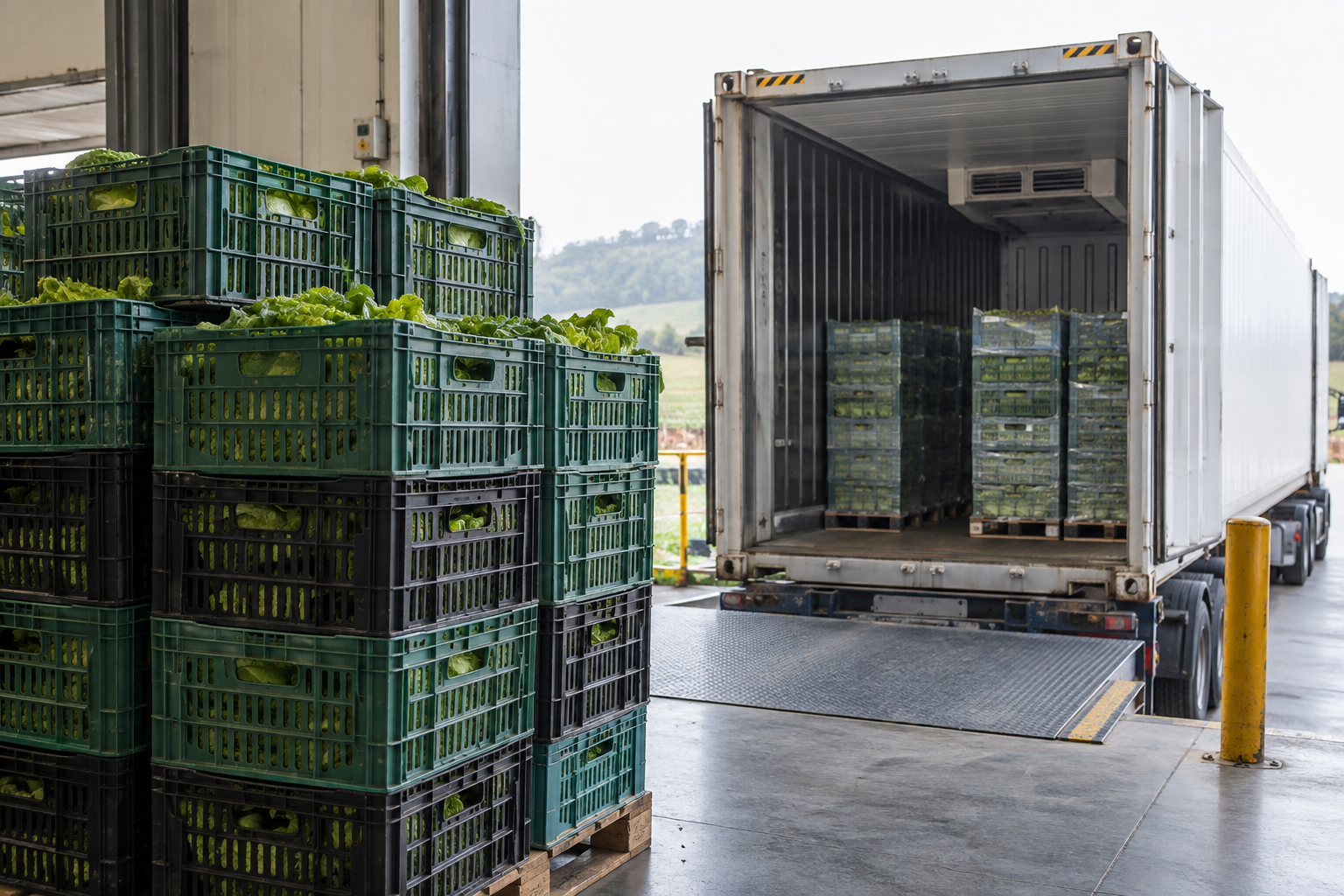
Freight conditions: what the evidence supports
As of 19 September 2026, the supplied sources support a focused assessment of maritime security concerns, rather than a comprehensive report on agricultural freight conditions. UN News reported in its 8 September headline that ships and seafarers were increasingly caught in the crossfire of unrelated wars. Its 26 August headline described Red Sea nations stepping up maritime cooperation as regional threats grew.
These headlines establish a security context for a logistics discussion. They do not provide container freight quotations, refrigerated container availability, port waiting times or confirmed changes to agricultural shipping routes. The distinction matters: a report about maritime threats is not evidence that a particular consignment faces a higher freight charge or a longer journey.
Container rates: no current benchmark supplied
The supplied material contains no container rate index, carrier quotation or route-specific freight assessment. It therefore does not support a statement that container rates have risen, fallen or remained unchanged. No freight cost in USD per metric ton can be reported from these inputs.
A shipment-level comparison would require quotations with clearly identified origins, destinations, equipment specifications and validity periods. It would also need a consistent statement of included and excluded charges. None of those quotation details appears in the supplied sources or platform snapshot.
For this report, the appropriate conclusion is that current container pricing is unavailable. Maritime security headlines should not be substituted for a freight benchmark, and AgriExchange seller asking prices should not be treated as evidence of shipping costs. The inputs provide no basis for separating a logistics component from an agricultural commodity asking price.
Reefer capacity: availability remains unverified
No supplied headline addresses refrigerated container capacity, booking acceptance or equipment availability. There is also no information on temperature specifications, loading dates or refrigerated space allocated to agricultural cargo. Consequently, the report cannot characterise reefer capacity as either tight or ample.
AgriExchange's platform snapshot records fruit-vegetables as its largest sector by listed lots, with 1871. That category count describes marketplace listings; it does not identify which lots require refrigeration, which are ready for dispatch or which have transport arrangements in place. It is not a measure of reefer demand or utilisation.
The missing evidence is specific: equipment availability for a defined shipment, on a defined route, within a defined loading window. Without it, neither a capacity shortage nor spare capacity can be established. The sector listing count cannot fill that gap.
Port congestion and trade routes
The supplied sources contain no port-level queue measurements, terminal dwell times, berth delays or congestion notices. No port can therefore be identified here as congested or uncongested. Equally, there is no evidence supporting a comparison of current port performance with an earlier period.
On trade routes, UN News reported in its 12 August headline that a deadly attack on a Red Sea ship added to global supply chain uncertainty. Its later headline on regional maritime cooperation provides a further security-related development, but neither headline establishes a specific agricultural route change.
The material does not identify affected commodity consignments, carrier diversions, suspended services or additional transit days. It would therefore be unsupported to describe a particular origin-to-destination corridor as disrupted or to assign an extra journey time. Red Sea security concerns are documented in the supplied headlines; shipment-specific consequences remain unavailable.
What the AgriExchange snapshot shows
The AgriExchange database snapshot, generated at 2026-09-19T10:17:43.938Z, records 3,349 listed lots across the exchange. Of these, 91 lots carry a seller asking price. These are listing figures, not confirmed transactions or trading volume, and the prices attached to those lots are seller asking prices only.
Because the topic spans logistics rather than a single commodity sector, the exchange-wide figures provide the appropriate platform context. They show the scope of the listing snapshot, not the amount of cargo awaiting shipment or the number of containers needed.
The supplied platform data does not establish booking status, shipment weight, departure port, destination port or agreed delivery terms. It cannot connect the reported maritime security developments to particular listed lots. Nor does it support a delivered-cost comparison between origins. Such a comparison would require additional shipment and quotation details that are absent here.
What this means for buyers and sellers
The practical distinction is between a documented security concern and a verified logistics condition. According to the supplied UN News headlines, maritime threats and regional cooperation are relevant developments. Current container prices, reefer availability, port congestion and agricultural routing outcomes remain unverified in this evidence set.
For buyers and sellers assessing an individual shipment, the unresolved questions concern the applicable freight quotation, equipment confirmation, route, schedule and responsibility for charges. These are information requirements, not conclusions about current market conditions. Neither the headlines nor the platform listing counts justify a claim about the final logistics cost or delivery timing of a particular lot.
Sources
UN News, “Ships and seafarers increasingly caught in the crossfire of unrelated wars”, 8 September 2026; “Red Sea nations step up maritime cooperation as regional threats grow”, 26 August 2026; and “Deadly attack on Red Sea ship adds to global supply chain uncertainty”, 12 August 2026. External reporting in this article is limited to the supplied headlines.
AgriExchange database snapshot, generated 2026-09-19T10:17:43.938Z: exchange-wide listed lots, lots carrying a seller asking price and the fruit-vegetables listed-lot count.